Understanding the Basics of Birding
What is a Life List?
A life list is a personal record that birdwatchers maintain to document all the bird species they have observed throughout their birding journey. This list can encompass various locations, but when starting a backyard birding life list, the focus is primarily on the species that frequent your outdoor space. Keeping a life list serves not only as a way to track your birding experiences but also as a source of motivation to discover more about the avian world around you. Many birders find joy in seeing how their list evolves over time, and it can even become a competitive aspect among friends and local birding communities.
Why Start a Life List in Your Backyard?
Starting a life list in your backyard is an excellent way to immerse yourself in the world of birding without the need for extensive travel or investment in expensive equipment. Here are several compelling reasons to embark on this journey:
- Accessibility: Your backyard is a convenient and accessible location for birdwatching.
- Cost-Effective: You can start birding with minimal investment in tools and resources.
- Educational: Observing birds in your own environment helps you learn about local flora and fauna.
- Community Connection: Engaging in backyard birding can foster a connection with local wildlife and neighbors.
Essential Birding Terminology to Know
Before diving into birding, it's essential to familiarize yourself with some key terms:
- Field Guide: A book or resource that provides information about bird species, including images, descriptions, and habitat.
- Binoculars: Optical devices used to observe distant objects, crucial for birdwatching.
- Migration: The seasonal movement of birds from one region to another, often influencing which species you might see in your backyard.
- Habitat: The natural environment in which a species lives, which can be vital for attracting specific birds to your yard.
Gathering the Right Tools for Backyard Birding
Choosing the Best Binoculars for Bird Watching
Binoculars are perhaps the most critical tool for any bird watcher. When selecting binoculars, consider the following factors:
- Magnification: A magnification of 8x to 10x is ideal for birdwatching, as it provides a good balance of detail and stability.
- Objective Lens Diameter: An objective lens diameter of 42mm is a popular choice, allowing for bright images even in low-light conditions.
- Weight and Size: Choose lightweight binoculars for comfort during extended viewing sessions.
Some popular models include the Nikon Monarch 5 8x42 and Vortex Diamondback 10x42, both of which offer excellent clarity and durability.
Selecting a Field Guide or Birding App
A good field guide or birding app is essential for identifying birds you encounter. Consider the following options:
- Field Guides: Books such as The Sibley Guide to Birds or Peterson Field Guide to Birds of North America provide comprehensive information on various species.
- Birding Apps: Apps like Merlin Bird ID and iNaturalist allow you to identify birds using photos and sounds while offering valuable insights into bird behavior.
Setting Up Your Backyard with Bird Feeders and Baths
To attract birds to your backyard, creating a welcoming environment is key. Here are some steps to set up your space:
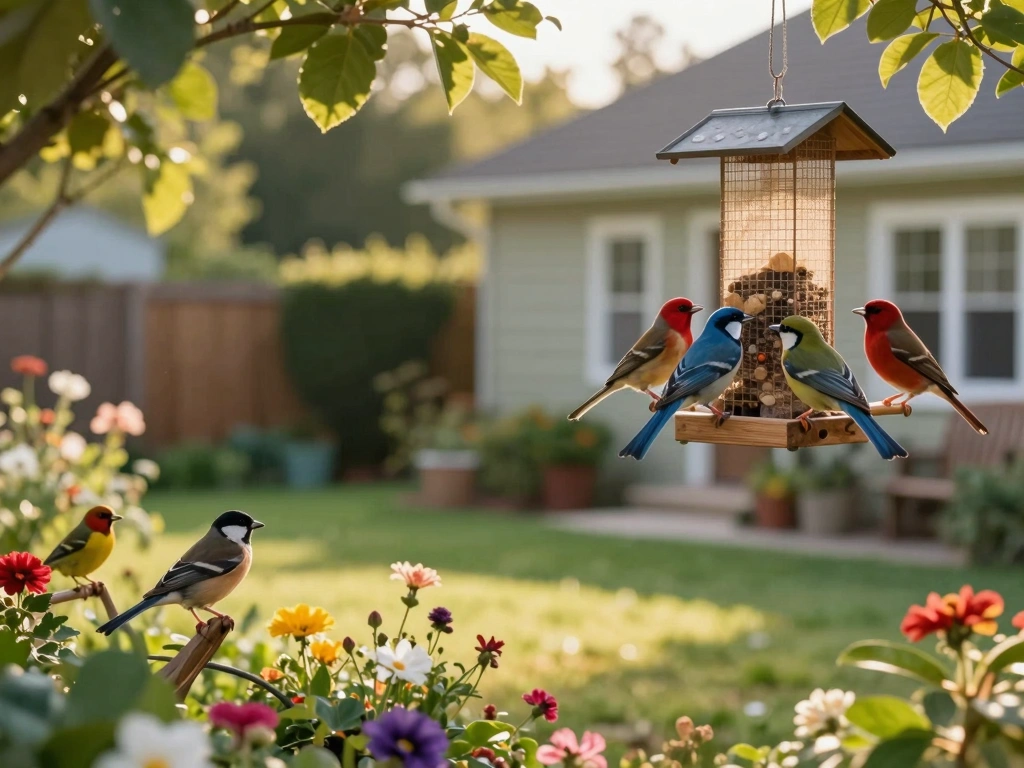
- Feeders: Invest in quality feeders. Tube feeders work well for small birds like finches, while platform feeders can attract a wider variety. Fill them with birdseed mixes tailored to local species.
- Bird Baths: A clean bird bath is essential for providing water for drinking and bathing. Ensure it has shallow areas and is maintained regularly to prevent stagnation.
- Natural Habitat: Incorporate native plants and shrubs that provide shelter and food sources for birds, making your backyard an attractive habitat.
Identifying Birds in Your Backyard
Common Backyard Birds and Their Characteristics
Familiarizing yourself with the common birds in your area will greatly enhance your birdwatching experience. Here are a few examples of common backyard birds:
- American Robin: Recognizable by its orange-red breast and melodious song, the American Robin is often one of the first birds you’ll see in spring.
- House Sparrow: A small, chunky bird with a stout bill, the House Sparrow is often found around human habitation.
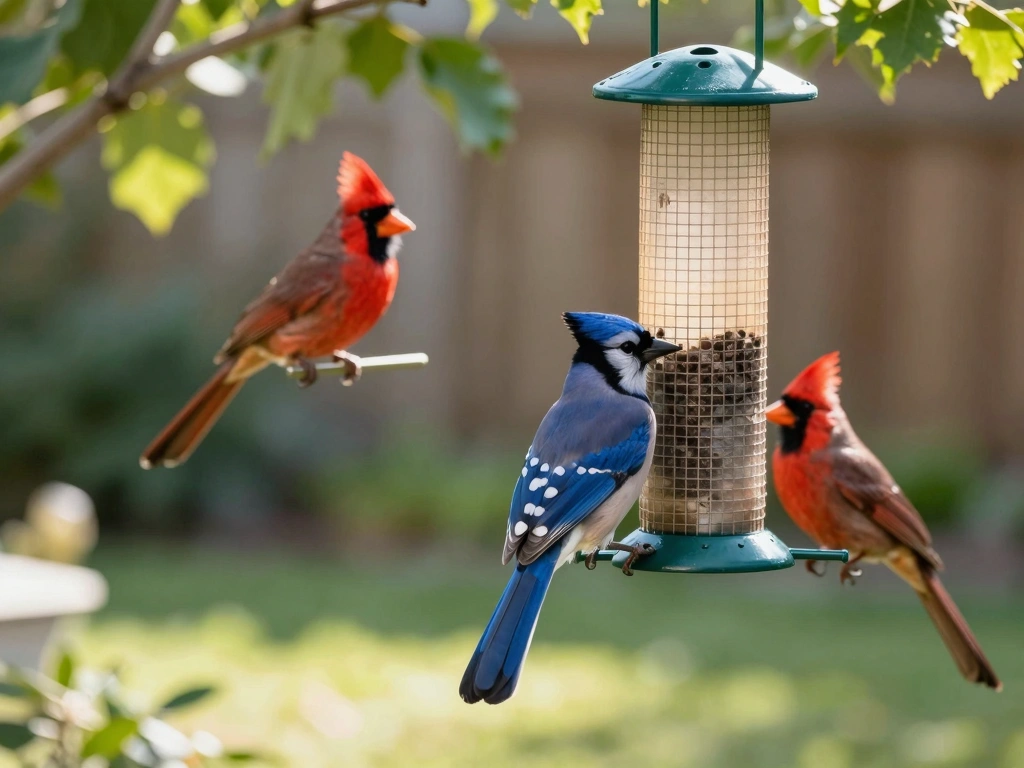
- Blue Jay: Known for its striking blue plumage and loud calls, the Blue Jay is often observed raiding feeders.
- Cardinal: The Northern Cardinal, with its bright red coloration and distinctive crest, is a favorite among birders.
Using Bird Songs and Calls for Identification
Bird songs and calls are powerful tools for identification. Many birds can be recognized by their unique vocalizations. Here are a few tips for using sounds effectively:
- Listen Regularly: Spend time in your backyard simply listening to the sounds around you. Many birding apps, like Merlin, offer sound libraries for reference.
- Identify Patterns: Pay attention to the rhythm and pitch of bird songs. Some species have distinct patterns, making them easier to identify.
- Record Observations: Note the songs you hear in your journal, associating them with the visual features of the birds.
Keeping a Journal for Observations
Maintaining a birding journal is an excellent way to track your observations and enhance your learning. Include the following in your journal:
- Date and Time: Record when you see or hear a bird.
- Species Name: Write down the common and scientific names of the birds you observe.
- Location: Note where in your backyard you spotted the bird.
- Behavior: Describe what the bird was doing – feeding, nesting, singing, etc.
This practice not only helps you remember your sightings but also allows you to reflect on patterns and changes in your backyard over time.
Building Your Birding Community
Joining Local Birding Groups and Clubs
Connecting with fellow bird enthusiasts can enrich your birding experience. Local birding groups often organize events, walks, and workshops. Here’s how to get involved:
- Research Local Clubs: Search for birding clubs in your area through community boards or social media.
- Attend Meetings: Many clubs host regular meetings where members share tips, sightings, and experiences.
- Participate in Events: Join group outings and field trips to learn from more experienced birders and discover new locations.
Engaging in Online Birding Forums and Social Media
The internet offers a wealth of resources for birders. Engaging in online forums can help you connect with others and gain knowledge:
- Social Media Groups: Platforms like Facebook have numerous birding groups where members share sightings, photos, and advice.
- Online Forums: Websites like BirdForum and Reddit have dedicated sections for birdwatching discussions, allowing you to ask questions and share experiences.
- Blogs and YouTube Channels: Follow birding blogs and YouTube channels for tutorials, bird identification tips, and field experiences.
Participating in Bird Counts and Events
Bird counts are organized events where volunteers count birds in a specific area, often contributing to important conservation data. Here’s how to participate:
- Christmas Bird Count: This annual event allows birders to count species in their local area during the holiday season.
- Great Backyard Bird Count: A citizen science project that invites people to observe and count birds in their backyards over a designated weekend each February.
- Local Birding Festivals: Attend local festivals that often feature bird walks, educational talks, and opportunities to meet fellow birders.
Tracking Your Progress and Expanding Your List
How to Record and Organize Your Life List
Keeping an organized life list is essential for tracking your birding progress. Here are some effective methods:
- Digital Databases: Consider using apps like eBird or BirdLog to record your observations digitally, making it easy to track and organize your sightings.
- Physical Journals or Spreadsheets: If you prefer traditional methods, maintain a dedicated notebook or spreadsheet where you can categorize your birds by date, location, and notes.
- Visual Aids: Create a poster or chart to visually represent your progress, which can be a fun way to engage with your list.
Setting Goals for New Bird Species
Setting goals can motivate you to expand your life list. Here are some strategies:
- Species Targeting: Identify specific bird species you would like to see based on your region and set a goal to spot them within a certain timeframe.
- Seasonal Goals: Focus on the migratory patterns of birds and aim to spot seasonal visitors during their migration periods.
- Challenge Yourself: Participate in birding challenges or contests that encourage you to observe as many species as possible within a given time.
Exploring Nearby Habitats to Diversify Your List
While backyard birding is a rewarding experience, exploring nearby habitats can further enrich your life list. Consider these options:
- Parks and Nature Reserves: Visit local parks and nature reserves, which often host a wider variety of bird species due to diverse habitats.
- Wetlands and Lakes: Bodies of water attract different birds, especially migratory species. Birdwatching at these locations can yield exciting discoveries.
- Hiking Trails: Take birding hikes along trails where various ecosystems intersect, providing different opportunities for bird sightings.